
Multifamily Market: Trends, Data, and Outlook for 2026

The multifamily market continues to evolve under pressure from shifting interest rates, new supply deliveries, operating cost increases, and changing renter expectations.
For owners, operators, and investors, the question is no longer whether the market is changing.
It is how quickly portfolios can adapt.
Today’s market requires stronger visibility into both macro multifamily trends and property-level execution. Market conditions shape opportunity, but operational discipline often determines who captures it.
This page provides a practical view of multifamily housing market analysis, current multifamily trends, and the multifamily outlook ahead. Apartment vacancies remain relatively stable and below 5% nationally but the most striking development is on the supply side.
The 2026 market rewards discipline and selectivity. Opportunities are emerging for operators who combine strong fundamentals with close attention to risk. NAIOP documents what that looks like in practice →
For ownership-side performance metrics, see net operating income in real estate →
What Is the Multifamily Market?
The multifamily market refers to residential real estate assets with multiple rentable units. These include duplexes, townhome rental communities, garden-style apartments, and mid-rise buildings. High-rise rental towers, student housing communities, and affordable housing portfolios are also part of the market.
The market includes both investment activity and day-to-day operations across these assets.
When people refer to the multifamily market, they may mean different things. Some mean transaction volume, occupancy trends, or rent growth. Others mean new development pipelines, capital flows, or property operations performance.
Multifamily reports and multifamily market surveys track all of these dimensions. They give operators and investors the data needed to make faster, smarter decisions.
NMHC’s Quarterly Survey of Apartment Market Conditions is one of the most widely followed market surveys. It tracks market tightness, equity financing, debt financing, and sales volume each quarter. NMHC publishes this survey four times per year as a key industry benchmark →
Multifamily Market Outlook for 2026
The multifamily market outlook entering 2026 is shaped by several competing forces.
Positive Drivers
- long-term housing demand
- affordability pressure supporting rentals
- demographic household formation
- institutional capital interest in apartments
Headwinds
- elevated borrowing costs
- insurance and tax pressure
- labor and maintenance expenses
- pockets of oversupply in some metros
This creates a more selective multifamily market rather than a universally weak or strong one.
Execution matters more than broad headlines. Yardi forecasts a 1.2% increase in advertised rent growth nationally for 2026. Completions are expected to drop 24% to 450,000 deliveries. NAR documents how resilient demand, new supply contraction, and abundant acquisition capital are bolstering the multifamily outlook for modest growth despite economic uncertainties.
Multifamily Housing Market Analysis: Key Metrics to Watch
Strong multifamily housing market analysis usually includes five core areas.
1. Occupancy Trends Stable occupancy often signals resilient demand.
2. Effective Rent Growth Track actual realized rent after concessions.
3. New Supply Deliveries Heavy deliveries can pressure pricing temporarily.
4. Expense Inflation Insurance, payroll, repairs, and utilities can materially impact returns.
5. Collections Quality Collections health often matters as much as occupancy.
Multifamily Market Data Is Becoming More Granular
Investors once relied mainly on quarterly summaries.
Many groups now want more frequent multifamily market data and multifamily reports. They want submarket leasing velocity, concession changes, and renewal pricing trends. Bad debt movement, property-level NOI signals, and asset transition performance are also in demand.
This shift is pushing operators toward stronger internal reporting systems. Multifamily industry trends in data and analytics reflect a broader move toward real-time visibility, replacing lagging indicators with live operational signals.
For reporting workflows, see real estate asset management reporting →
Multifamily Property Trends Shaping Operations
Several multifamily property trends and multifamily housing trends are changing how portfolios are managed.
Operational Efficiency Over Headcount Growth Teams are expected to do more with leaner staffing models.
Technology Layering Owners increasingly add intelligence tools on top of core PMS platforms.
Renewed Focus on Revenue Controls Small billing issues matter more in tighter margin environments.
Resident Experience Expectations Faster communication and smoother leasing processes remain important.
Multifamily housing marketing is also evolving. Operators are investing in digital leasing tools, virtual tours, and AI-powered communication. The goal is to attract and retain residents in competitive markets.
Multifamily Real Estate Trends Investors Are Watching
Current multifamily real estate trends include stronger scrutiny on acquisition underwriting and demand for stabilized cash flow. Selective value-add plays and regional migration shifts are also defining the market. Operators with better systems and controls are attracting more capital.
Capital is still active, but more disciplined. Multifamily industry trends in 2025 and 2026 reflect a clear pattern. The market rewards operators who combine strong data with fast execution.
Future of Multifamily Housing
The future of multifamily housing is likely to be shaped by:
Smarter Operations More automation and real-time visibility.
Data-Led Asset Decisions Owners using live operational data to guide strategy.
Specialized Segments Growth in student housing, affordable housing, and build-to-rent hybrids.
Operational Resilience Assets with better controls may outperform during volatile periods.
Multifamily housing trends point toward a sector that rewards data infrastructure investment. Physical assets alone are no longer enough.
Multifamily Market Research: What Sophisticated Buyers Study
Strong multifamily market research covers several areas. These include migration patterns, job growth concentration, renter income levels, and supply pipeline timing. Tax environment, regulatory risk, and asset-level operating trends round out the picture.”
The best buyers combine public multifamily market data with operational diligence. Multifamily market analysis at this level separates disciplined investors from those relying solely on headline metrics. Multifamily reports from sources like NMHC, NAR, and NAIOP provide the macro context. Property-level data provides the execution signal.
Multifamily Asset Transition Risk Is Rising in Importance
A frequent blind spot in acquisitions and management changes is transition execution.
Multifamily asset transition risk may include incomplete resident files, lease discrepancies, billing setup errors, delayed onboarding into PMS systems, and reporting disruptions after takeover.
This is where many projected returns are quietly lost.
Multifamily Property Transition: Why It Matters
Multifamily property transition events include ownership changes, third-party management changes, PMS migrations, and portfolio integrations after acquisitions.
These are high-opportunity but high-risk windows.
Well-managed transitions can unlock value quickly.
Poorly managed transitions can create months of operational drag.
For migration workflows, see property management software migration without data loss →
Where SurfaceAI Fits in the Multifamily Market
SurfaceAI fits where multifamily market strategy meets operational execution.
In changing markets, owners need confidence in asset-level data accuracy. They also need assurance that revenue opportunities are not being missed.
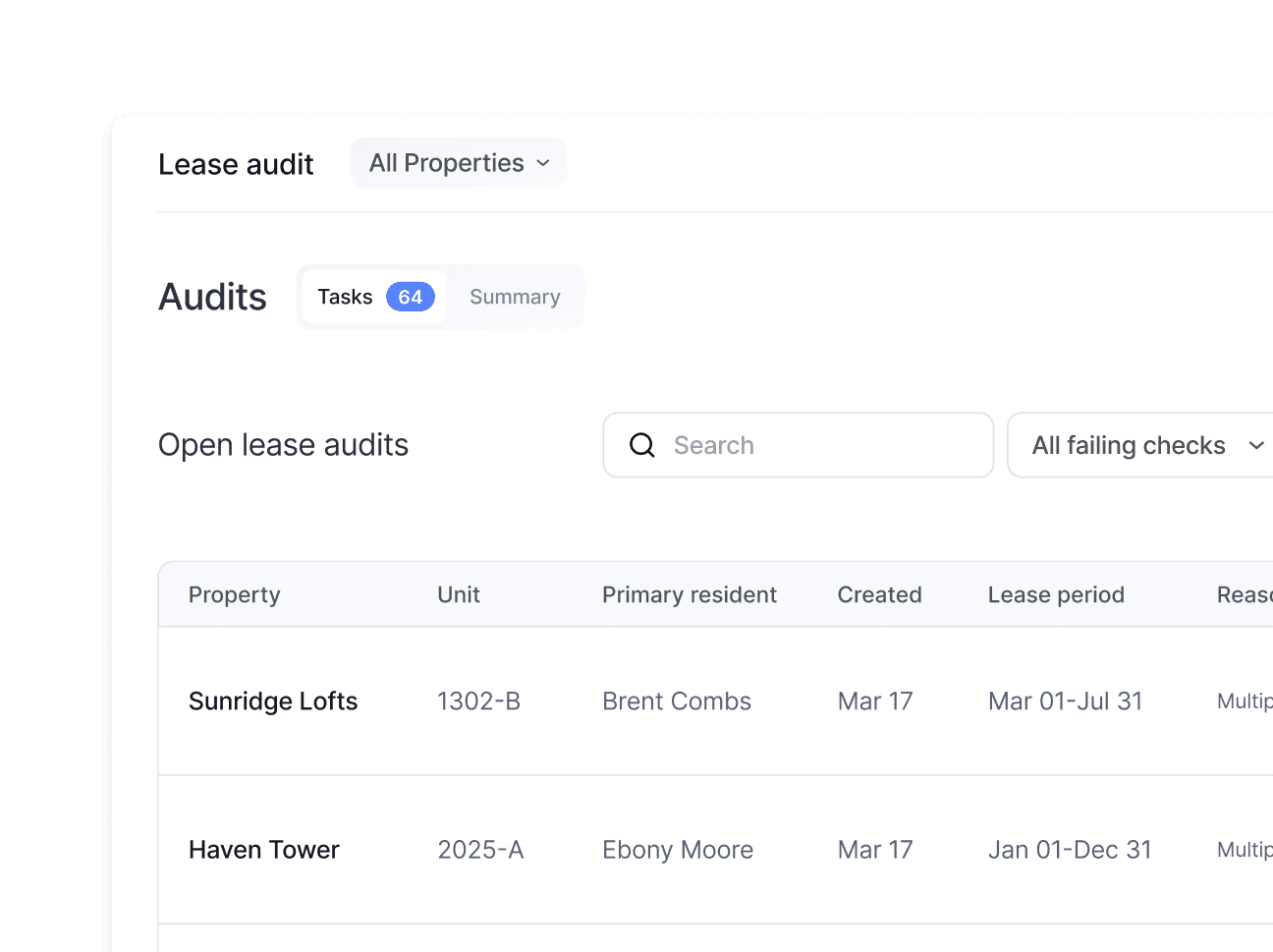
SurfaceAI helps multifamily teams by validating lease data, detecting revenue leakage, supporting acquisition diligence, improving transition accuracy, and creating stronger operational visibility across portfolios.
That can be especially valuable when multifamily market margins tighten and every basis point matters.
For related controls, see top AI lease audit tools for multifamily operations →
How Operators Should Respond to the Current Market
Practical priorities for 2026 include:
Protect Existing NOI Focus on collections, renewals, and lease accuracy.
Tighten Expense Discipline Review contracts, utilities, staffing efficiency.
Improve Data Confidence Decisions improve when underlying records are trustworthy.
Move Faster on Opportunities Well-prepared teams can act when pricing dislocations appear.
What a Strong Multifamily Market Report Should Include
A useful multifamily market report should cover supply and demand trends, rent movement, and concessions. Cap rate sentiment, operating cost shifts, and collections trends also matter. Portfolio exposure areas and the near-term multifamily outlook complete the picture.
Multifamily reports without operational context are often incomplete. The strongest multifamily market surveys combine macro indicators with property-level performance data.
Key Takeaway
The multifamily market in 2026 is less about broad optimism or pessimism.
It is about market selection, disciplined underwriting, and operational execution.
The owners and operators with stronger systems often navigate multifamily housing trends and volatility better than those relying only on headline multifamily trends.
Conclusion
The multifamily market remains one of the most important real estate sectors, but it is becoming more operationally demanding.
Strong multifamily market analysis must now be paired with stronger execution, cleaner data, and faster controls.
Book a demo to see how SurfaceAI helps operators act with greater confidence. See how it supports acquisitions, transitions, and portfolio performance in today’s multifamily market.
Frequently Asked Questions About Multifamily Market