
Property Management Tools Compliance Monitoring Integration

Most multifamily operators already have property management software.
The challenge is that operational risk often exists outside what the PMS alone can monitor.
Lease discrepancies, missing fees, inconsistent billing, incomplete document management, and policy violations frequently go unnoticed until audits or post-close reviews expose them.
That is why more operators are focusing on property management tools compliance monitoring integration.
The goal is no longer just storing operational data. It is continuously validating it.
This guide explains how compliance monitoring integrates into modern multifamily technology stacks. It covers what operators should evaluate. It also explains how AI-driven validation layers are reshaping property operations oversight.
Staying on top of compliance requirements across large portfolios requires more than periodic audits. It requires compliance tooling that runs continuously. This reduces errors and cuts manual review cycles. It also gives operators the cloud based visibility they need to act before issues compound.
Organizations across real estate are adopting solutions that streamline property operations and reduce risks. They are also improving decision-making across their management platforms. PwC documents how this shift is accelerating heading into 2026 →
For broader system context, see property management technology in multifamily operations →
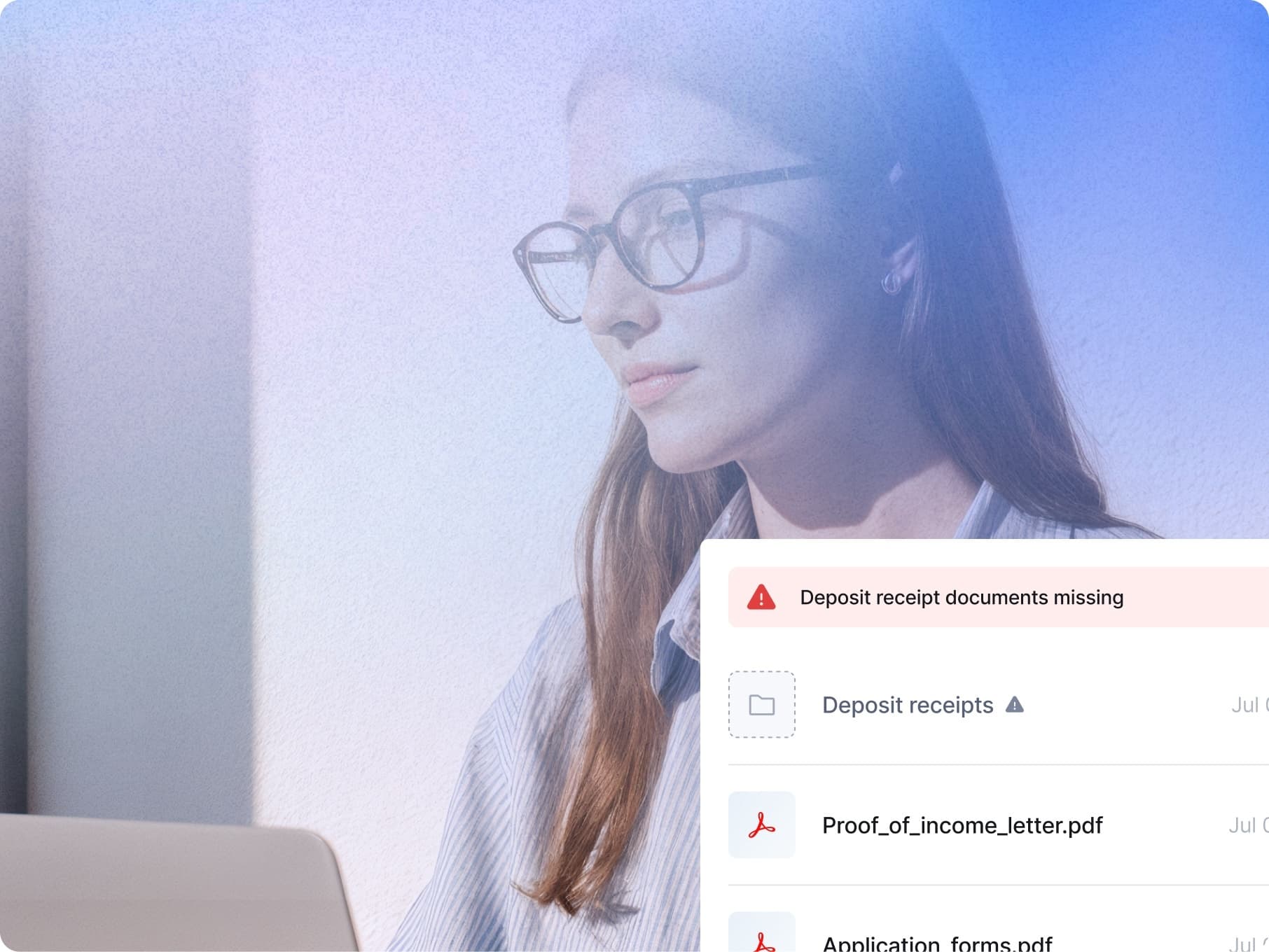
What Is Property Management Tools Compliance Monitoring Integration?
Property management tools compliance monitoring integration refers to connecting operational systems with platforms that continuously validate:
- lease data
- billing records
- compliance requirements
- document management completeness
- operational compliance workflows
Instead of relying only on periodic manual processes, integrated monitoring systems help identify issues in real time.
This is becoming increasingly important for multifamily operators managing real estate portfolios with:
- larger unit counts
- distributed teams
- complex lease structures
- tighter operational margins
Staying on top of compliance requirements across all of these dimensions requires compliance tooling that operates continuously. Scheduled review cycles alone are not enough.
Why Traditional PMS Platforms Are Not Enough
Property management software is designed primarily to:
- manage leases
- process payments
- store resident data
- support operational compliance workflows
But most PMS management platforms are not built to continuously validate operational accuracy.
Examples of issues often missed include:
- missing ancillary charges
- expired concessions still active
- incomplete renewals
- billing inconsistencies
- unsigned lease documents
These gaps create compliance and revenue risk. Reducing errors at scale requires a dedicated compliance tracking layer, not just a property management software system of record. Document storage alone does not reduce risks. Without active validation, documents can be complete on the surface while the underlying compliance requirements are not met.
What Real Estate Compliance Software Actually Does
Real estate compliance software focuses on monitoring and validation.
Key features often include:
- lease compliance tracking
- billing validation
- audit trail workflows
- discrepancy detection
- document management completeness checks
- operational exception alerts
This category acts as a compliance tooling control layer across operational management platforms.

The Shift From Periodic Audits to Continuous Monitoring
Historically, operators relied on:
- quarterly reviews
- annual lease audits
- manual spot checks
That model becomes difficult to scale across multifamily portfolios. Manual processes and periodic audits miss issues that emerge between review cycles. Reducing manual review dependency is how property operations teams protect NOI without adding headcount.
Modern compliance tooling now supports:
- real-time alerts
- automated validation checks
- continuous compliance workflows
This reduces the delay between issue creation and issue resolution.
For monitoring frameworks, see lease compliance monitoring setup for multifamily →
Core Components of Compliance Monitoring Integration
1. PMS Integration
The compliance tooling layer must connect directly with:
- lease records
- rent rolls
- billing systems
- resident ledgers
Without integration, compliance workflows remain incomplete. Cloud based integration removes the need for manual exports. It ensures compliance tracking always reflects current operational data.
2. Lease Validation Workflows
Integrated management platforms compare:
- executed leases
- billing records
- concessions
- operational policies
This helps identify discrepancies tied to compliance requirements and revenue leakage.
3. Real-Time Alerting
Modern compliance tooling generates alerts when:
- lease data conflicts exist
- required documents are missing
- charges are not applied correctly
- policies are violated
This supports proactive property operations and helps teams stay on top of issues before they compound.
4. Portfolio-Level Visibility
Operators increasingly need centralized cloud based dashboards showing:
- open compliance issues
- estimated financial exposure
- unresolved discrepancies
- property-level trends
This improves property operations oversight and gives leadership the compliance tracking visibility they need to make informed decisions.
5. Audit Trails and Documentation
Integrated management platforms should maintain:
- issue histories
- resolution tracking
- reviewer logs
- timestamped changes
A complete audit trail and structured document storage system is especially important for institutional reporting and acquisitions. Without an audit trail, teams cannot demonstrate that compliance requirements were met. This creates risk during investor reporting and ownership transitions.
Why Compliance Monitoring Matters More in 2026
Several trends are increasing operational pressure:
- larger multifamily portfolios
- leaner staffing models
- higher investor expectations
- greater reporting scrutiny
- more property operations complexity
This is pushing operators toward compliance tooling that improves data trust and operational visibility. Managing real estate at institutional scale without cloud based compliance tracking creates operational blind spots. Manual processes cannot close those gaps.
Agentic AI systems can interpret compliance requirements and support compliance workflows, automatically drafting, organizing, and validating document management across property operations. Embedding compliance guardrails and audit trail records into operational workflows from the outset is critical. Managing real estate portfolios at scale requires this foundation. McKinsey documents why teams that build this in early scale without increasing manual oversight →

Where SurfaceAI Fits in Compliance Monitoring Integration
SurfaceAI functions as an intelligence and validation layer integrated with existing property management software.
Rather than replacing PMS management platforms, SurfaceAI helps operators:
- monitor lease compliance continuously
- validate lease and billing alignment
- identify revenue leakage
- detect discrepancies across systems
- support real-time property operations oversight
- maintain complete audit trail records
- support document management and document storage accuracy
This makes SurfaceAI particularly relevant for portfolios where manual processes are difficult to scale and compliance requirements are increasing.
For related workflows, see real-time lease report reconciliation →

“The audit program from SurfaceAI was a game-changer for us. This structure helped us identify and capitalize on missed opportunities for revenue, turning what was once a blind spot into a source of income.”
Glennette Calero, Property Manager
Common Compliance Issues Integration Systems Detect
Integrated compliance tooling platforms frequently uncover:
- incorrect rent charges
- expired concessions still active
- missing pet or parking fees
- unsigned lease files
- inconsistent renewal terms
- billing mismatches across management platforms
These are often difficult to identify through manual processes alone. Each one represents a gap in compliance tracking that compounds quietly. Reducing errors requires catching these issues at the moment they occur. A quarterly review is too late.
How AI Is Changing Real Estate Compliance Software
Machine learning is shifting real estate compliance software from reactive review to continuous operational intelligence.
Machine learning capabilities now include:
- automated lease analysis
- discrepancy classification
- exception-based review
- anomaly detection
- risk scoring
This improves both speed and consistency, reducing manual effort while reducing errors across the entire property operations stack. Machine learning models improve over time. They learn which compliance requirements are most commonly violated. They surface the highest-risk exceptions first.
For AI operational context, see AI powered property management software →
What Operators Should Evaluate Before Implementing a Compliance Layer
Integration Depth
Can the compliance tooling connect directly to operational data sources? Key features to look for include native connectors to common PMS platforms. Cloud based data sync and document storage integration round out the essentials.
Real-Time Monitoring
Does it support continuous compliance tracking or only periodic review? Staying on top of issues requires continuous monitoring, not just scheduled batch reviews.
Scalability
Can it support multiple properties and large portfolios? Managing real estate at scale requires compliance tooling that grows with the portfolio. It should not require proportional increases in manual oversight.
Operational Visibility
Can leadership track issues centrally? A cloud based dashboard with portfolio-level compliance tracking gives leadership the visibility they need. They can act before issues become material.
Actionability
Can teams assign, resolve, and document issues efficiently? Key features here include task assignment, status tracking, escalation rules, and a complete audit trail for every resolved issue.
Common Mistakes Operators Make
Treating Compliance as a Periodic Event
Operational issues often emerge between scheduled audits. Staying on top of compliance requirements requires continuous compliance workflows, not quarterly spot checks.
Assuming the PMS Validates Data Automatically
Most property management software stores information rather than validates it. Document storage and validation are different functions. Only dedicated compliance tooling provides both.
Focusing Only on Reporting
Visibility matters, but corrective compliance workflows matter too. Reducing errors requires action, not just awareness.
Ignoring Revenue Leakage Risk
Many compliance requirements gaps have direct financial impact. Reducing manual oversight without replacing it with automated compliance tracking creates the conditions for revenue leakage to grow undetected.
Key Takeaway
Property management tools compliance monitoring integration is becoming essential for multifamily operators who need:
- stronger property operations controls
- better reporting confidence
- reduce risks tied to revenue leakage
- scalable oversight across portfolios
The future of compliance is continuous compliance workflows and automated compliance tracking, not periodic review and manual processes.
Conclusion
As multifamily property operations become more complex, compliance monitoring is evolving from an audit function into a continuous operational discipline.
Integrated compliance tooling helps operators improve data trust, reduce risks, and strengthen portfolio oversight.
Book a demo to see how SurfaceAI supports real-time compliance monitoring and validation. See how it improves property operations visibility across your portfolio.
Frequently Asked Questions About Compliance Monitoring Integration