
AI Management Platforms for Multifamily Operations

Multifamily operators are entering a new operational phase.
The industry is no longer experimenting with isolated AI tools. It is now managing entire ecosystems of:
- AI leasing assistants
- workflow automation systems
- compliance monitoring tools
- reporting engines
- operational dashboards
- lease auditing systems
- document intelligence platforms
The problem is that most of these systems operate independently. That creates fragmented workflows. It creates inconsistent visibility, duplicate operational tasks and disconnected decision-making across portfolios.
This is why the concept of the AI management platform is becoming increasingly important.
The next generation of multifamily operations will not belong to operators with the most AI tools. It will belong to operators who orchestrate them effectively.
For broader category context, see AI powered property management software →
Why Multifamily AI Is Becoming Operationally Fragmented
Over the last few years, multifamily technology stacks have expanded rapidly.
A single operator may now use:
- a PMS
- leasing automation tools
- resident communication systems
- maintenance software
- reporting dashboards
- acquisitions technology
- compliance monitoring systems
- document management platforms
Each system solves a specific workflow problem. But operational visibility becomes difficult when:
- systems do not communicate properly
- workflows overlap
- operational alerts remain siloed
- reporting logic differs between platforms
- discrepancies exist across records
This fragmentation becomes more problematic as portfolios scale.
Large operators increasingly struggle with:
- operational coordination
- workflow duplication
- inconsistent reporting
- delayed issue escalation
- disconnected portfolio oversight
The challenge is no longer simply automation. It is orchestration.
Slow pace of AI adoption in real estate reflects structural challenges. Fragmented data and asset-centric operating models are part of the problem. According to BCG, 74% of companies struggle to scale value from AI.
The biggest differentiator is orchestration. Firms that coordinate AI across systems pull ahead. Firms that deploy AI in isolation fall behind. BCG also notes that the window to gain a first-mover edge is closing.

The Rise of the Operational Command Layer
Traditional property technology stacks were designed around systems of record.
Modern multifamily operations increasingly require systems of coordination.
This is where AI management platforms are emerging.
Instead of functioning as another isolated operational tool, these platforms act as:
- centralized oversight layers
- workflow orchestration systems
- operational intelligence hubs
- exception management engines
- cross-system validation layers
The role of the platform is not just executing tasks. It is managing operational intelligence across the portfolio.
This represents a major shift in how multifamily technology is evolving.
The shift mirrors a broader pattern across enterprise software. Vendors used to package AI capabilities as standalone features. Now they form the connective layer between systems. Generative AI, predictive analytics, and AI models for anomaly detection are most useful when they share context.
A workflow automation tool that does not see compliance data cannot prioritize correctly. A leasing AI feature that does not see billing data cannot surface revenue risk. Orchestration is what turns isolated AI systems into a coordinated operational layer.
What an AI Management Platform Actually Coordinates
An AI management platform does not simply automate one workflow.
It coordinates operational intelligence across multiple systems at the same time.
This may include:
- lease auditing workflows
- operational alerts
- reporting exceptions
- billing discrepancies
- maintenance escalations
- acquisitions reviews
- compliance monitoring
- resident operational workflows
The platform becomes the layer that helps operators understand:
- what is happening
- where issues exist
- which workflows require attention
- how operational risk is evolving across the portfolio
This creates centralized operational awareness rather than isolated software activity.
The result is better data analysis at the portfolio level. Teams move from reactive reporting to proactive identification of action items. AI assistants stop working in isolation. They start contributing to a shared operational picture that leadership can actually use.
Managing Multiple AI Workflows Across Properties
One of the biggest operational problems in multifamily technology is that workflows often become disconnected at scale.
For example:
- leasing automation may operate separately from billing oversight
- maintenance systems may not communicate with operational reporting
- compliance monitoring may remain isolated from acquisitions workflows
- document systems may not validate operational records
As portfolios grow, these disconnected workflows create operational blind spots.
AI management platforms help unify:
- operational monitoring
- workflow escalation
- reporting visibility
- discrepancy management
- cross-property coordination
This creates more consistent operational control across large portfolios.
For operational workflow context, see property management workflow automation systems →
How Exception Routing Changes Multifamily Operations
One of the most important capabilities within modern AI management platforms is exception routing.
Traditional operations often rely on:
- static reporting
- manual review
- spreadsheet tracking
- reactive escalation
Exception-based systems work differently.
Instead of reviewing everything equally, the platform identifies:
- high-risk discrepancies
- unresolved operational conflicts
- missing charges
- compliance gaps
- unusual operational patterns
The system then routes those issues to the correct operational teams.
This dramatically improves operational efficiency because teams focus on:
- material risks
- unresolved exceptions
- portfolio-impacting issues
rather than manually reviewing low-risk activity.
Exception routing also helps automate routine tasks that previously consumed reviewer time. Low-priority items move through standard workflows. High-priority items reach the right person quickly.
The combined effect is that operators save time, reduce costs, and improve response quality at the same time. Teams stop spending hours on tasks AI can handle. They spend those hours on judgment calls AI should not handle.
For related workflows, see exception-based lease due diligence for large deals →
Centralized AI Oversight vs Isolated Automation
Many multifamily operators currently have automation without oversight.
That creates a dangerous operational gap.
An automated workflow is only valuable if operators can:
- monitor it
- validate outputs
- identify failures
- escalate issues
- reconcile conflicting records
This is why centralized AI oversight is becoming more important than standalone automation features.
The strongest multifamily operations increasingly combine:
- automation
- operational monitoring
- reconciliation
- exception management
- portfolio intelligence
into one coordinated operational layer.
AI agents are autonomous software entities. They can operate on their own or coordinate within a network of other agents and systems. McKinsey describes this network as an “agentic AI mesh.”
It acts as the connective tissue of the enterprise. It coordinates multiple agents, integrates with core systems, and evolves as the technology matures.
Why Operational Orchestration Matters More Than More Features
The multifamily industry is reaching a point where adding more disconnected features no longer creates meaningful operational advantage.
Operational performance increasingly depends on:
- coordination
- visibility
- workflow alignment
- data validation
- centralized intelligence
This is especially important for:
- institutional operators
- acquisitions teams
- asset management groups
- multi-region portfolios
- complex operational structures
Operators who can orchestrate operational intelligence effectively will scale more efficiently than operators relying on disconnected systems.
The difference shows up in real world outcomes. Teams with orchestrated AI workflows make faster data driven decisions. They:
- Reduce duplicate work across departments.
- Identify operational risk earlier.
- Protect NOI more consistently.
Customer experiences also improve, because residents interact with systems that share context rather than ones that contradict each other. A resident who reports an issue in one system should not have to repeat it in another. Orchestration makes that consistency possible.
How AI Management Platforms Support Better Decisions
A strong AI management platform helps multifamily operators enhance decision making at every level.
Property managers see:
- prioritized issues
- exception alerts
- operational status across workflows
Asset management leaders see:
- portfolio-wide patterns
- recurring discrepancies
- operational risk trends
Executive ownership sees:
- validated reporting
- exposure summaries
- operational health indicators
This layered visibility helps every team make more informed decisions with the same underlying data. It also supports optimizing resources across the portfolio. Teams allocate attention based on actual operational impact rather than calendar-driven review cycles.
The strongest platforms also support deeper data analysis. They:
- Surface trends that would not appear in isolated reports
- Flag anomalies that manual review would miss
- Convert raw operational data into action items the right people can act on
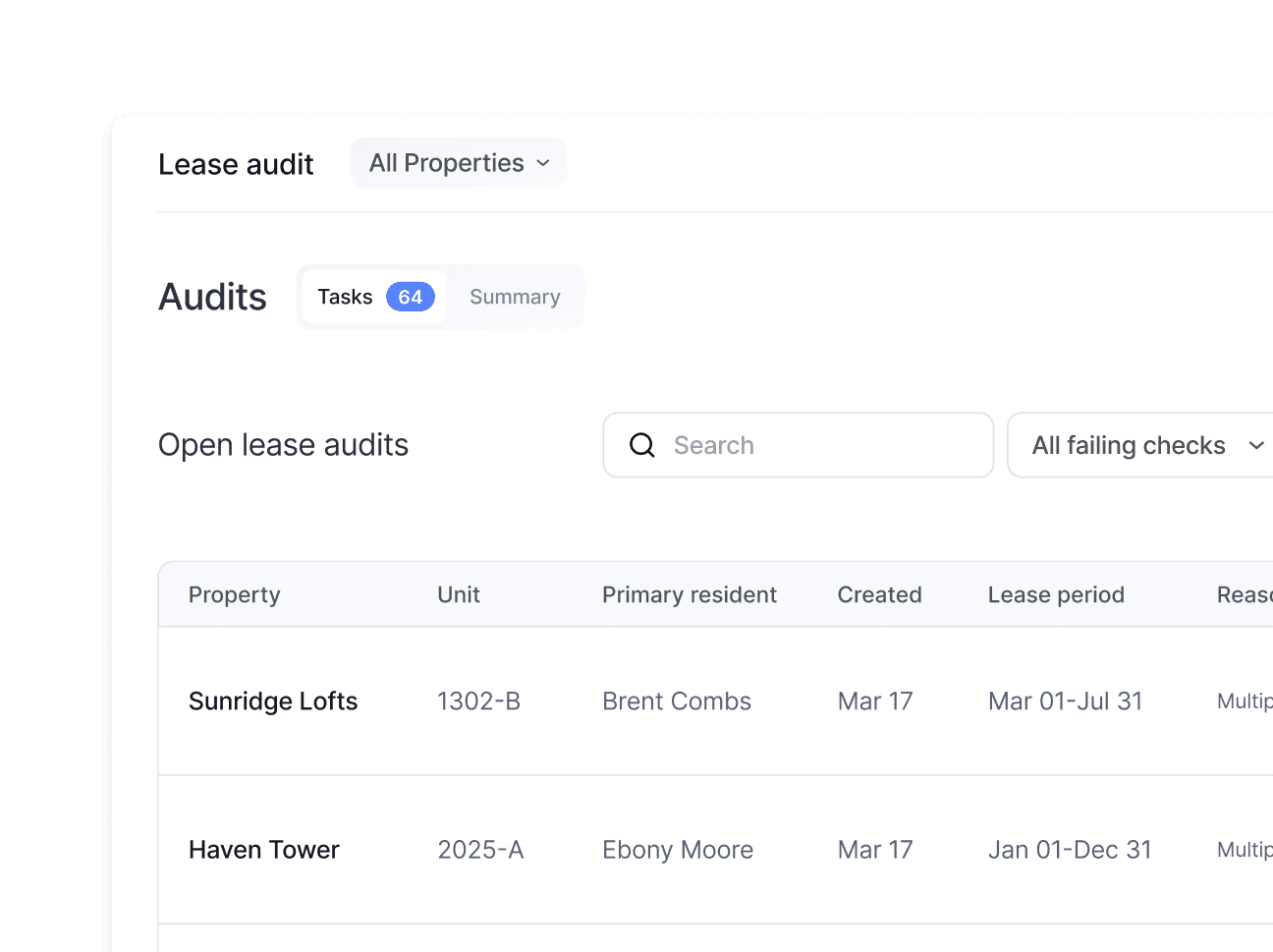
SurfaceAI as an Operational Intelligence Layer
SurfaceAI fits into the AI management platform category as an operational intelligence and orchestration layer for multifamily portfolios.
Rather than replacing core PMS systems, SurfaceAI helps operators:
- monitor lease compliance
- validate operational data across systems
- identify discrepancies tied to revenue leakage
- support exception-based workflows
- centralize operational intelligence
- improve portfolio-wide visibility
This allows multifamily teams to move beyond static reporting and fragmented workflows toward continuous operational oversight.
SurfaceAI also supports stronger coordination with existing building management software and other systems in the operational stack. The result is fewer blind spots between operational layers.
For related operational controls, see lease compliance monitoring setup for multifamily →

“The audit program from SurfaceAI was a game-changer for us. This structure helped us identify and capitalize on missed opportunities for revenue, turning what was once a blind spot into a source of income.”
Glennette Calero, Property Manager
What Multifamily Operators Should Prepare for Next
The next generation of multifamily operations will likely involve:
- multiple AI agents operating at the same time
- automated operational decision routing
- real-time portfolio monitoring
- continuous lease validation
- cross-system operational intelligence
- AI-assisted acquisitions workflows
As this evolution continues, the role of the AI management platform will expand.
It will increasingly function as:
- the operational command layer
- the orchestration engine
- the centralized intelligence system
for multifamily portfolios.
Operators who prepare for this shift early will scale operational complexity more effectively. They will spend less time reconciling reports. They will spend more time acting on validated intelligence. And they will be better positioned to integrate new AI feature releases as the technology matures.
For related portfolio context, see best real estate portfolio efficiency services →
Key Takeaway
The future of multifamily AI is not simply automation. It is orchestration.
AI management platforms are emerging as centralized operational intelligence layers. They help operators coordinate workflows, monitor operational health, manage exceptions, and improve visibility across increasingly complex portfolios.
Conclusion
As multifamily technology stacks become more fragmented and operational complexity continues to increase, isolated automation tools are no longer enough.
Operators increasingly need centralized intelligence layers that can coordinate workflows, validate operational data, and provide portfolio-wide visibility.
AI management platforms are becoming that operational command layer for modern multifamily operations.
Book a demo to see how SurfaceAI supports intelligent multifamily operations at scale. See how it improves operational coordination, compliance visibility, and portfolio oversight.
Frequently Asked Questions About AI Management Platforms