Technology in Property Management: How Innovation Is Reshaping Multifamily Operations

Technology in Property Management: What’s Transforming the Industry
Property management technology – PropTech – digitizes and automates the core workflows that keep multifamily portfolios running: leasing, maintenance, rent collection, accounting, and resident communication. It replaces fragmented manual processes with centralized property management solutions that give operators real-time visibility across every property.
The property management technology category has expanded well beyond basic software. The global PropTech market is projected to reach $185 billion by 2034. For the latest property management news and property management news updates, the story is consistent: AI adoption is accelerating and the gap between early adopters and laggards is widening. Property management industry news in 2025 has been defined by agentic AI, platform consolidation, and record proptech investment
Today’s property technology includes AI agents that act autonomously. IoT devices monitor building systems. Analytics tools surface problems before they escalate.
This article covers what property management technology is. It explains the key innovations transforming operations. It also covers how to evaluate the right property management tech solutions for your portfolio.
What Is Property Management Technology
Property management technology, often shortened to PropTech, digitizes and automates core operations like leasing, maintenance, accounting, and resident communication. PropTech replaces spreadsheets, paper files, and disconnected systems. It brings everything into centralized, cloud-based platforms. Teams gain real-time visibility across an entire portfolio.
The category is broader than it might sound at first. A basic property management system (PMS) handles rent collection, lease tracking, and accounting in one place.
PropTech goes further than basic storage. It encompasses smart apartment technology, AI tools, and data analytics. These systems don’t just store information, they act on it
This is what innovative property management looks like in practice. Systems work in the background. Teams focus on performance instead of process. The impact of technology on real estate is now measurable and direct.
Artificial Intelligence and Automation in Real Estate Management Technology
AI is reshaping property management technology more fundamentally than any previous wave. Adoption rose from 21% to 34% year-over-year according to the AppFolio Benchmark Report.
This isn’t about faster software. It’s about systems that think, decide, and act. The impact of technology on real estate has never been more direct.
AI Agents That Execute Operational Tasks
Here’s the key distinction:
AI agents act, while chatbots respond. A chatbot answers questions when someone asks. An AI agent monitors lease data continuously.
It flags discrepancies the moment they appear. It assigns tasks to staff, without anyone prompting it. The operational consequences are significant – 77% of multifamily operators using AI report reduced operating expenses.
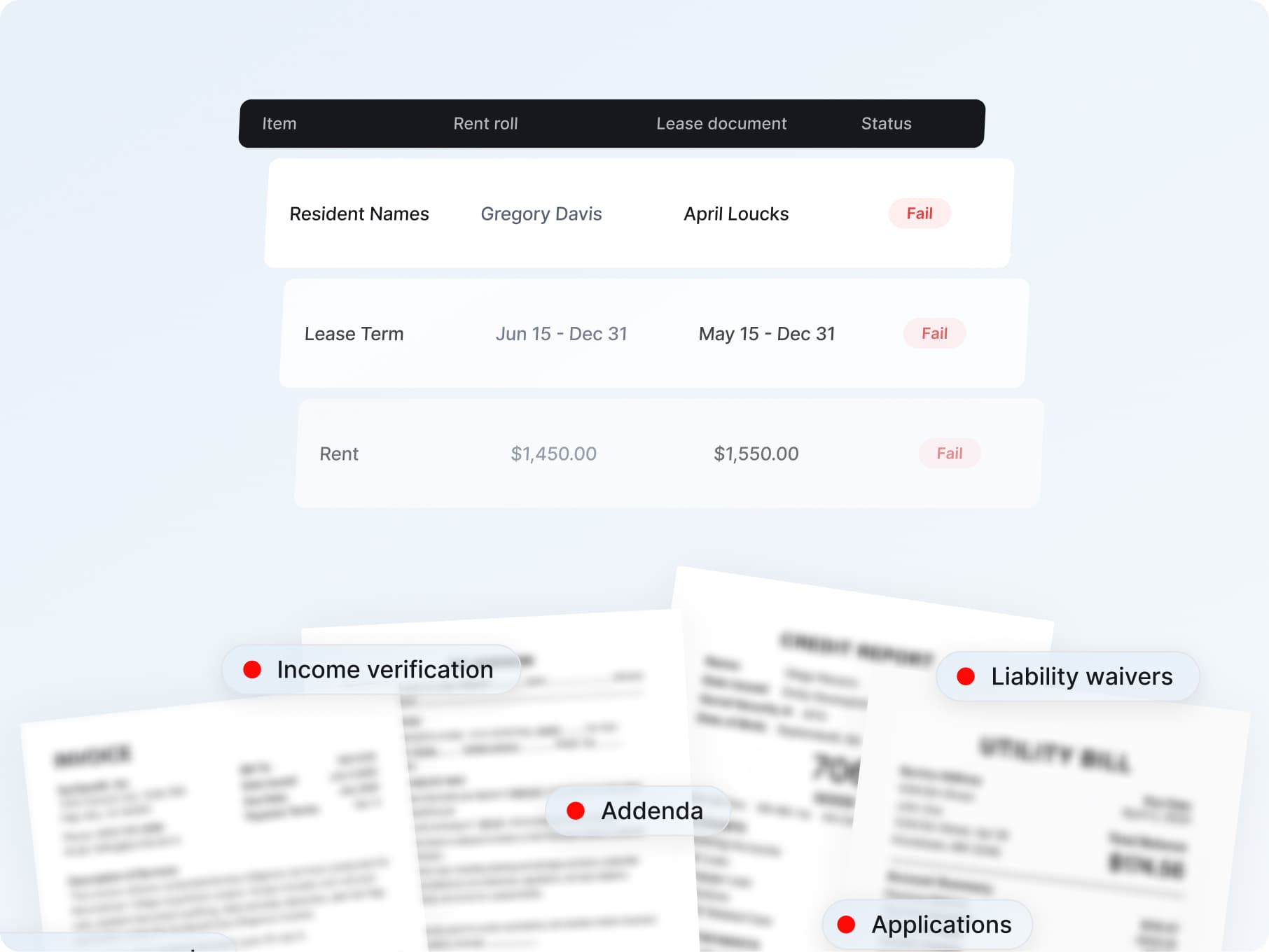
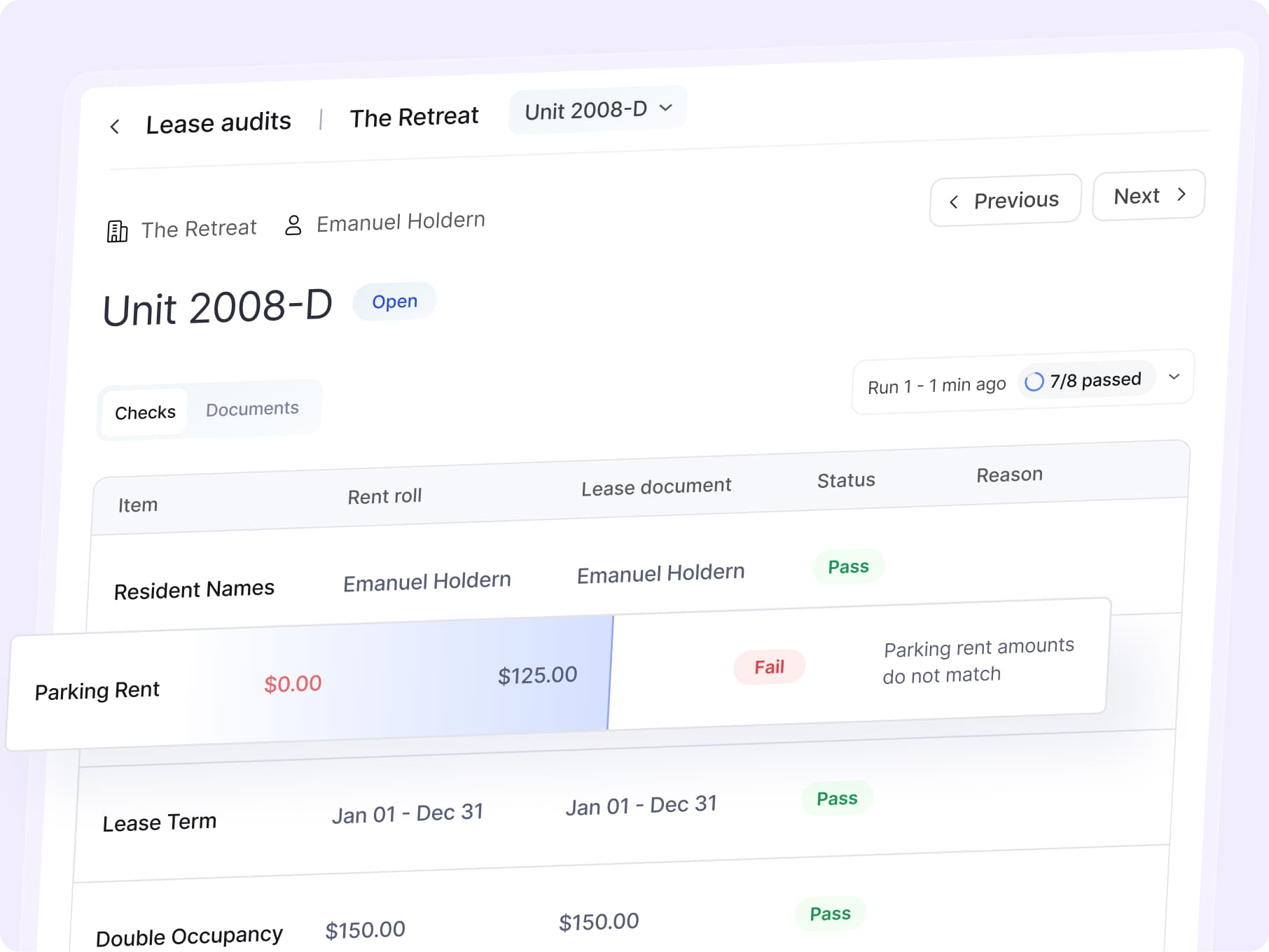
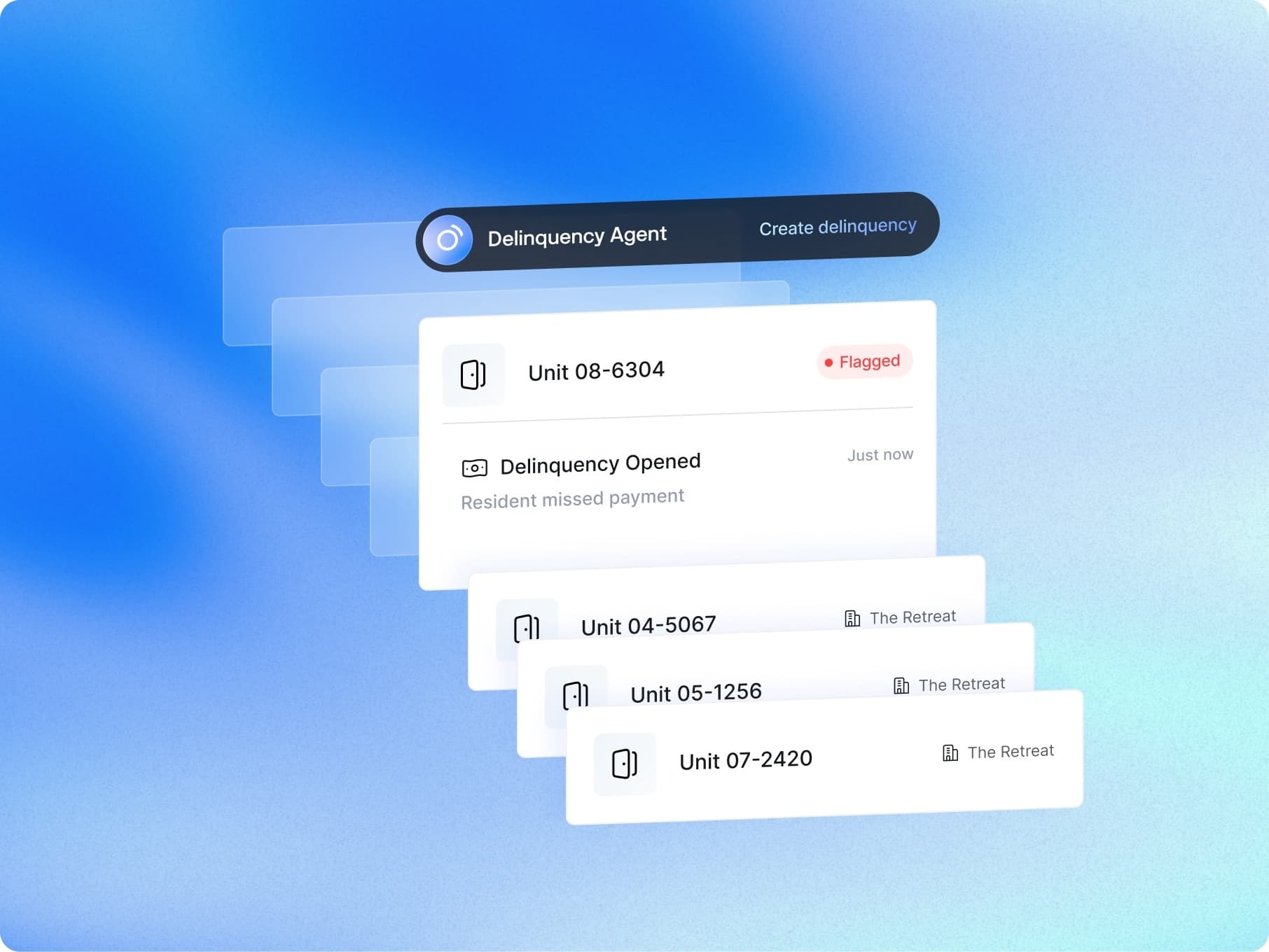
Teams no longer need to run quarterly audits and hope nothing slipped through. Agents audit every lease change in in real time. Instead of manually tracking delinquent accounts, agents trigger notices and follow-ups automatically.
Predictive Analytics for Portfolio Performance
Predictive analytics uses historical data to forecast what’s coming, occupancy trends, at-risk residents, revenue opportunities. The value lies in shifting from reactive management to proactive intervention.
An analytics tool can identify residents with payment patterns that signal renewal risk. Teams can intervene early rather than scramble when vacancy spikes. That insight allows teams to intervene early rather than scramble when vacancy spikes.
Conversational AI for Resident Communication
AI-powered communication tools handle routine resident inquiries, schedule maintenance, and respond to common requests around the clock. The benefit isn’t just efficiency, it’s consistency. Every resident gets the same quality of response at 2 AM as they would at 2 PM. Property management text messaging and AI-powered chat are now the primary channels for always-on resident communication.
How Technology and Property Management Have Evolved Together
Property management has moved through distinct phases, and each one solved problems the previous generation couldn’t touch.
- Manual era: Paper leases, physical rent checks, spreadsheet tracking. Errors were common, and getting a clear picture across multiple properties was nearly impossible.
- Digital era: On-premise software introduced basic automation and digital document storage. Systems stayed siloed. They rarely communicated with each other.
- Cloud era: Centralized platforms enabled remote access and real-time data sharing. Distributed teams could finally work from the same information.
- AI era: Intelligent agents monitor data continuously. They predict issues before they escalate. They execute workflows without anyone prompting them.
Today’s AI-driven tools represent the most significant shift yet. The difference isn’t just speed, it’s autonomy. Systems that once waited for human input now work in the background around the clock.
Why Technology Matters in Property Management
Property management has always been operationally intensive, lease tracking, maintenance coordination, resident communication, financial reporting. In today’s environment, relying on spreadsheets and manual workflows isn’t sustainable.
Property management technology is now the backbone of modern property management. Operators who embrace it:
- Reduce costs and improve efficiency.
- Deliver better service to residents.
- Make data-driven decisions that protect NOI and increase asset value.
(See industry insights from USAI Institute).
Property management growth strategies today are inseparable from technology adoption. The property management industry is seeing a clear divide emerge. Operators who invest in integrated platforms are pulling ahead of those who don’t.
The Evolution of Technology for Property Management
- Digitization (2000s): Paper → digital systems, early PMS adoption.
- Integration (2010s): Connecting PMS with CRMs, accounting, and marketing tools.
- Automation (2020s): AI, predictive analytics, IoT delivering efficiency and accuracy.
The focus has shifted from record-keeping to intelligent operations. These are the real estate tech trends defining the industry right now.
Key Technologies Driving Property Management
1. Property Management Software (PMS)
The foundation: stores leases, resident data, and finances. But PMS alone lacks automation and predictive capability. Property management SaaS platform features have expanded significantly. Modern platforms now include AI agents, API integrations, and real-time analytics, alongside core accounting and lease functions.
2. Resident Experience Platforms
Apps and portals for rent payments, maintenance requests, and direct resident communication. These property management tech solutions resident experience tools are now table stakes for competitive operators.
3. IoT & Smart Building Tech
Smart apartment technology – smart locks, thermostats, and sensors – improves security, efficiency, and sustainability. 82% of renters report wanting at least one smart device system in their homes.
4. Artificial Intelligence & Automation
The most recent wave of property technology includes AI assistants that:
- Automate lease audits.
- Accelerate due diligence.
- Monitor delinquency.
- Handle resident inquiries 24/7.
Learn more about SurfaceAI’s role in multifamily automation →.
Benefits of Technology in Property Management
- Efficiency: Fewer repetitive tasks.
- Data-driven insights: Predictive analytics for leasing, maintenance, revenue.
- Resident satisfaction: Faster, more personalized service.
- Risk reduction: Automated compliance and error detection.
See also: SmartRent’s guide on AI in multifamily operations →
How AI Agents Automate Property Management Workflows
Where AI gets practical is in specific workflows that traditionally consumed hours of manual effort. Let’s look at four of the most common.
Continuous Lease Auditing and Compliance Monitoring
Manual lease audits are typically one-time events, a spreadsheet review at month-end or quarter-end. The problem is that errors accumulate between audits. Missing charges, unsigned documents, and out-of-policy concessions slip through unnoticed.
Lease audit AI agents can monitor every lease change as it happens, flagging issues immediately. For operators managing thousands of units, even small per-unit revenue leakage adds up quickly. Continuous auditing protects both NOI and compliance posture.
Due Diligence Automation for Property Acquisitions
Acquisition due diligence traditionally means reviewing hundreds of lease files, rent rolls, and resident records manually. It’s slow, expensive, and error-prone.
AI due diligence agents extract and analyze data automatically. They surface mismatched names, missed revenue, unsigned documents, and risky resident profiles before closing. What once took weeks can compress to days.
Delinquency Workflow Automation and Follow-Up
Consistent rent collection communication is difficult to maintain manually. Staff forget to send notices, follow-up timing varies, and documentation gaps create compliance risk.
Automated delinquency workflows trigger the right message to the right resident at the right time, with every action logged. This protects revenue while creating a defensible audit trail.
Document Classification and PMS Migration
Property takeovers create document backlogs. Classifying lease files, matching them to residents, and uploading them into a new PMS can take weeks of staff time.
AI handles classification and migration automatically, reducing what was a full-time job to exception review.

Cloud-Based Property Management Software and Integrated Data
Cloud platforms have become the foundation of modern property operations. However, the real value comes from integration. Teams must connect PMS, cloud storage, rent rolls, and lease files into a unified view.
Without integration, teams work from incomplete information. A regional manager might see rent roll data but not the lease terms behind it. An asset manager might track delinquency but miss the communication history that explains it.
Platforms that connect to OneDrive, SharePoint, and core systems unify data from every corner of operations. Onsite teams, corporate staff, and asset managers access the same information simultaneously. This reduces communication lag and version control issues.
IoT and Smart Building Technology for Property Managers
IoT – the Internet of Things – refers to connected devices that collect and transmit data. In property management, IoT extends capabilities beyond software into the physical environment.
TechnologyFunctionOperational BenefitSmart locksKeyless entry, remote accessAudit trails, reduced key managementSmart thermostatsRemote temperature controlEnergy savings, resident comfortConnected sensorsEquipment monitoringPredictive maintenance, fewer emergencies
Predictive maintenance is particularly valuable. IoT sensors detect HVAC issues, plumbing anomalies, or appliance failures early. Teams schedule repairs proactively rather than respond to crises.
Data Analytics and Business Intelligence for Property Operations
Analytics tools transform raw operational data into actionable insights. The shift is from reporting what happened to understanding why, and what to do next.
Portfolio performance dashboards visualize occupancy, rent collection, and maintenance status across properties in a single view. Revenue and occupancy trend analysis identifies patterns in leasing velocity, renewal rates, and rent growth.
Perhaps most valuable is risk identification. Analytics tools can flag anomalies, delinquency spikes, unusual vacancy patterns, compliance gaps, before they escalate. Natural language interfaces let teams query operational data in plain language rather than digging through reports.
Virtual and Augmented Reality in Property Leasing
VR tours and AR visualization tools accelerate leasing by allowing prospects to experience units remotely. This is particularly valuable for pre-leasing scenarios and out-of-market prospects who can’t visit in person.
While narrower in application than AI or IoT, virtual tours have become a standard expectation in competitive markets. How property management systems drive repeat stays and resident retention increasingly depends on the digital experience. From initial tour through renewal.
Key Features to Evaluate in Property Management Technology
Not all technology delivers equal value. When evaluating property management solutions, four criteria separate effective tools from basic software:
- System integration: Does it connect to existing PMS, accounting systems, and cloud storage? Siloed tools create data gaps.
- Automation depth: Does it execute tasks autonomously or just send notifications? Surface-level automation still requires manual follow-through.
- Real-time monitoring: Does it alert proactively or require manual review? The difference determines whether issues are caught early or discovered late.
- Security and permissions: Does it support role-based access and audit trails? Property data requires protection.
How Property Manager Technology Improves Resident Experience
How property managers can improve resident experience with technology comes down to three things: speed, consistency, and access.
Mobile apps give residents 24/7 access to pay rent, submit maintenance requests, and view lease details. Automated ticketing and predictive maintenance reduce wait times for repairs. Transparent communication keeps residents informed without requiring staff to manually send updates.
Resident satisfaction connects directly to NOI. Higher retention means lower turnover costs, reduced vacancy loss, and more stable cash flow. Property management tech solutions resident experience platforms are now a core part of portfolio differentiation. Top property management companies compete on the resident experience they deliver.
Latest Trends in Property Management System Technology
Several emerging trends are worth watching:
- AI agents moving from chat to action: Tools that execute workflows autonomously rather than just answering questions
- Unified operational hubs: Single platforms that orchestrate multiple AI agents and data sources from one command center
- Deeper PMS integrations: API-first platforms that connect to any system without custom development
- Natural language interfaces: Tools that let teams query operational data conversationally
- IT services for property management: Growing demand for managed implementation, data migration, and ongoing platform support
These are the real estate tech trends and property management trends shaping how portfolios operate going forward. Property management software news updates continue to reflect rapid consolidation around AI-native platforms.
Staying current with real estate technology news matters more than ever. Platforms are evolving monthly. Operators who track these shifts can make better vendor decisions and avoid tools that fall behind and lock them in.
How to Choose the Right Technology for Property Management
Selecting the right property management technology starts with understanding where current processes break down.
- Identify highest-friction workflows: Where does the team spend the most manual time? Lease audits, delinquency follow-up, and document management are common candidates.
- Assess integration requirements: What systems does the technology need to connect to?
- Evaluate automation depth: Does the tool act autonomously or require constant oversight?
- Consider scalability: Will the solution grow with the portfolio?
- Review security and compliance: Does it meet data protection requirements?
Property management SaaS platform features to prioritize include API-first architecture, role-based permissions, audit trails, and AI agent capability. A polished interface alone is not enough..
Building Smarter Operations with the Right Technology Partner
Property management technology has evolved from basic software to AI-driven operations platforms. The most effective solutions don’t just digitize existing processes, they transform them.
AI agents that audit leases continuously, automate delinquency workflows, and accelerate due diligence represent a fundamentally different approach than traditional tools. The right technology partner provides intelligent teammates. They work in the background. They surface issues before they become problems and execute tasks without manual prompting.
For operators managing distributed portfolios, this shift protects NOI and reduces compliance risk. Teams focus on performance rather than process.
Book a demo to see how AI agents can transform your property operations.
FAQs About Technology in Property Management

Related content